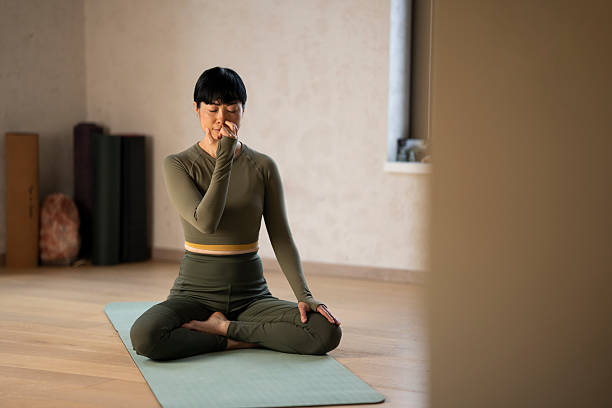
Starting Small, on Purpose
Not everyone wants to dive into a months-long program to learn a new skill, and pranayama is a great example of a subject where a shorter, focused course can genuinely deliver. A 50-hour format is compact enough to fit around an existing teaching schedule or job, while still going far deeper than the handful of breathing cues you’d pick up in a standard 200-hour yoga certification.
It’s designed as an entry point — enough to teach confidently and safely, with room to specialize further later if you want to.
What Fits Into 50 Hours
Despite the shorter timeframe, a well-designed course covers a surprising amount of ground: the core classical breathing techniques, basic respiratory anatomy, safety guidelines, and enough supervised teaching practice to build real confidence. The pace is brisk, but focused, cutting out anything that isn’t directly useful for someone who wants to start teaching breathwork soon.
Expect daily practice sessions paired with theory, plus feedback on your own teaching style as you go, rather than sitting through lectures with no hands-on application.
Who This Level Suits Best
This tier works particularly well for practicing yoga teachers who want to add a genuine specialty to their existing skill set without a huge time commitment, as well as dedicated students who are curious about breathwork but not yet ready to commit to a much longer program.
It’s also a smart way to test whether you enjoy teaching pranayama specifically before investing in the more advanced tiers further down the line.
Building Real Confidence, Not Just Knowledge
One of the underrated benefits of a shorter, well-structured course is how quickly you move from theory to actual application. Because there’s less material to cover overall, instructors can spend more relative time on practice teaching and direct feedback, which tends to translate into genuine confidence rather than just a head full of technique names.
By the end, most students are able to lead a short pranayama segment or standalone class competently — a very practical outcome for the time invested.
How It Fits Into Your Teaching Toolkit
Even a foundational level of pranayama training pays off in every class you teach afterward, not just dedicated breathwork sessions. Better breath cueing during asana, a stronger closing meditation, and a more grounded overall teaching presence are common side effects graduates report.
It’s a genuinely efficient way to level up your teaching without a massive time or financial investment, especially if you’re already balancing a full teaching schedule.
Choosing Where to Do It
Since the course is shorter, how the time is used really matters. Look for programs that don’t waste hours on filler content, and that offer meaningful practice teaching time rather than mostly passive learning.
Adwait Yoga’s 50 hour Pranayama Teacher Training is built to make efficient use of every session, giving students a genuinely solid foundation without unnecessary padding.
A Foundation You Can Build On Later
Think of this level less as a finished destination and more as a well-built base you can add to whenever you’re ready. Many teachers deliberately start here, gain a year or two of real teaching experience, and then return for a deeper program once they know exactly which direction they want to specialize in further.
That staged approach tends to work well financially and practically too, spreading the investment of time and money across a longer stretch rather than committing to the most advanced option before you’ve had a chance to discover what you actually enjoy teaching most.
Making the Most of a Short, Focused Course
Because the timeframe is compact, showing up prepared makes a real difference. Come in already comfortable with basic diaphragmatic breathing if possible, so class time can be spent building on that foundation rather than starting from absolute zero. A little pre-course reading on basic respiratory anatomy also helps the lectures land more easily.
During a 50 hour Pranayama Teacher Training, take detailed notes on the feedback you receive while practice teaching, since this is often where the most valuable, personalized learning happens. It’s easy to remember techniques from a handout later, but specific feedback on your own cueing style and pacing is much harder to recreate once the course ends.
Afterward, look for low-stakes opportunities to practice teaching soon after graduating, whether that’s leading a short segment for friends or offering a free session at your studio. Skills fade quickly without use, and early repetition helps lock in everything you just learned.
Setting Realistic Expectations
It’s worth being clear-eyed about what a shorter course can and can’t deliver. You won’t walk out an expert in every advanced technique, and that’s fine — that’s simply not what this level is designed for. What you will have is a solid, safe, well-rounded foundation that lets you teach with genuine competence right away.
Treating this as the first step of an ongoing journey, rather than a finish line, tends to keep graduates motivated to keep learning, whether that means further formal training down the road or simply continuing to deepen their own personal practice in the meantime.
A Practical Next Step
If you’re curious about breathwork but not ready for a lengthy commitment, a 50 hour Pranayama Teacher Training is a smart, manageable way in. It respects your time while still delivering enough depth to teach with genuine confidence — and it leaves the door wide open if you decide later that you want to go further.